810 Bastrop Hwy, Austin, TX, 78741
Bonded & Insured
Austin, TX

Deck Builder in Austin, TX: Heat-Smart Decks Built for Smaller East Side Lots

Austin is hard on decks. Summer surfaces in full sun get far hotter than the 100°F air, pine boards check and cup in a couple of seasons, and Blackland Prairie clay east of I-35 can shove footings out of level after one wet spring. Then there's the narrow lot behind your bungalow or new infill home, where every square foot has to count. East Austin Deck Builders designs and builds composite, wood, floating, and ground-level decks for these conditions. We pick fasteners, boards, and finishes that resist warping and fading, and we design compact layouts that make a small backyard actually usable.

We've been building on Austin's east side since 2020. We know the raised floors on pier-and-beam cottages, the bare slab patios on new Del Valle and Manor tract homes, and the clay that moves under both. We also build in Rollingwood, Sunset Valley, and Shady Hollow, where you're dealing with limestone, protected trees, and Barton Springs Zone limits instead. Every project starts with a measured layout and real material samples, and we'll walk you through the permit and HOA steps so nothing stalls once construction starts.

  • Building Austin decks since 2020
  • Bonded
  • Insured
  • Financing available
Free Estimate

Request Your Free Estimate

No obligation. Fast, honest quotes.

Prefer to talk? Call (512) 982-9105 — your details are never shared.

Credentials & Certifications BondedInsured
What We Do

Deck Building, Repair, and Outdoor Living Services in Austin

We build complete decks, from the footings to the shade cover, and we repair and refinish older decks too. Every new build starts with a measured layout and material samples, and we help you choose based on your soil, your sun exposure, your budget, and your permit or HOA situation. Here's what we offer.

★ Specialty

Custom Deck Design & Installation

We design and build decks from scratch around how you'll use the yard, whether that's grilling, dog space, a remote-work spot, or room to entertain. We'll find the best layout for a narrow or irregular lot.

We start with a measured site plan, sun and shade mapping, and a footing design matched to your soil. You'll see board, railing, and color samples in person before you commit.

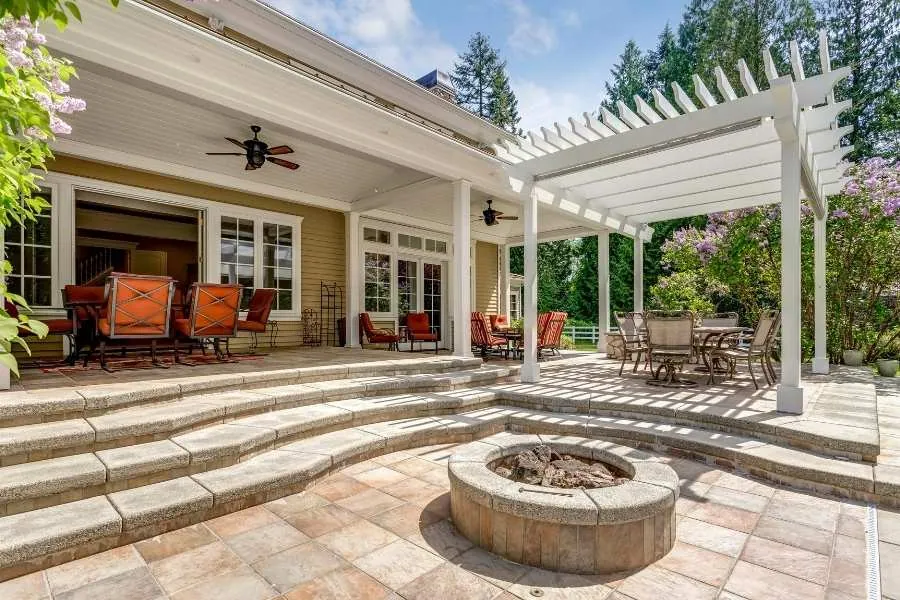
On East Austin infill lots and Mueller-sized yards, we design compact L-shapes, built-in benches, and stepped landings so a small yard feels bigger. For pier-and-beam bungalows, we match the raised door height.

Best for: Homeowners who want a deck that fits their lot, house style, and budget instead of a standard rectangle.

Explore
★ Specialty

Composite Deck Installation

We install capped composite decking from major brands like Trex, TimberTech, and Fiberon, with hidden fasteners and joist spacing set to manufacturer specs.

We recommend lighter, heat-mitigating colors, use proper end and side gaps for thermal expansion, and add joist tape to protect the framing underneath.

Austin heat makes color choice important. We'll put sample boards out in your actual sun so you can feel the surface temperature before you choose.

Best for: Homeowners who want low maintenance and resistance to fading, warping, and termites.

Explore

Wood Deck Construction

We build traditional wood decks in pressure-treated pine, cedar, redwood, or tropical hardwood.

We use stainless or coated fasteners, end-cut treatment, proper board gapping, and finishes chosen for the species.

We plan for Austin's wet-dry cycles with gapping and fastening details that keep boards flat through summer.

Best for: Homeowners who want the look and feel of natural wood.

Explore

Deck Repair & Restoration

We fix rotted boards, loose railings, failing stairs, and storm damage, and we bring tired decks back to good shape.

We start with a probe-and-inspect assessment, then give you an honest recommendation on whether to repair or replace.

This is ideal for 1980s–90s decks in Wells Branch, Jollyville, and Shady Hollow that have solid bones but worn surfaces.

Best for: Owners of older decks who want to know if their deck can be saved.

Explore

Deck Railing Installation

We install new or replacement guards and handrails in any material.

We use blocked or bolted posts, 36-inch minimum guard height, and baluster spacing under 4 inches.

These are frequent fixes for home sales in Avery Ranch and Circle C, where inspectors routinely flag weak rails.

Best for: Decks with wobbly, short, or outdated railings.

Explore

IPE Wood Deck Installation

We build premium Brazilian hardwood decks that are extremely dense, durable, and naturally fire-resistant.

We pre-drill, use hidden clip systems, seal the end grain, and apply UV oil if you want to keep the rich brown color.

Ipe suits Westlake and Tarrytown view decks, and it's a strong option in wildfire-code areas where ignition-resistant decking is required.

Best for: High-end projects that need decking with a very long life.

Explore

Cedar Deck Building

We build decks and pergolas in western red cedar for warm color and natural rot resistance.

We choose quality grades, use stainless fasteners, and apply a penetrating sealer from day one.

Cedar fits the character of bungalows in Hyde Park and Travis Heights.

Best for: Homeowners who want natural wood that's lighter in color and weight.

Explore

Pressure Treated Deck Construction

We build budget-friendly decks in southern yellow pine.

We use ground-contact lumber where needed, tighter joist spacing, and sealing once the wood dries out.

It's the go-to choice for first decks in Pflugerville, Manor, and Del Valle new builds, and it's usually HOA-friendly.

Best for: Value-focused owners and first-time deck buyers.

Explore

PVC Deck Installation

We install cellular PVC decking that contains no wood fiber, so it holds up to moisture extremely well.

We follow expansion gapping specs and use hidden fasteners, and we steer you toward light colors for heat.

PVC is a great fit for pool surrounds and shady, damp lots under oak canopy.

Best for: Wet areas and owners who want minimal upkeep.

Explore

Redwood Deck Building

We build redwood decks with rich color and natural resistance to decay.

We select heartwood grades and apply UV-protective finishes.

Redwood works well for shaded central Austin yards where you want the warmth of real wood.

Best for: Homeowners who want a premium softwood deck.

Explore

Pool Deck Construction

We build decks around in-ground pools and connect them to coping and patios.

We use slip-resistant, cooler-surface boards, drainage planning, and code-compliant barriers.

Pool decks are popular in Circle C and Steiner Ranch, where HOA color approval is common.

Best for: Pool owners who want a cooler alternative to concrete.

Explore

Rooftop Deck Installation

We build decks on flat roofs and over garages.

We use sleeper or pedestal systems that protect the membrane, and we coordinate engineering when it's required.

Rooftop decks fit modern infill homes in East Austin and Mueller that have little yard space.

Best for: Narrow lots that need outdoor space going up instead of out.

Explore

Multi-Level Deck Design

We build stepped decks with separate zones for dining, lounging, and cooking.

We tie the framing levels together with code-compliant stairs and guards.

Multi-level designs are ideal for sloped lots in Barton Hills, Rollingwood, and West Lake Hills.

Best for: Sloped yards and families who entertain often.

Explore

Floating Deck Installation

We build freestanding, low decks that aren't attached to the house.

We use pier blocks or helical supports and design for airflow underneath.

A floating deck can often reduce permit triggers. It's great over old slabs in Crestview or in small east-side yards.

Best for: Budget projects and backyard retreats.

Explore

Hot Tub Deck Building

We build reinforced decks or inset platforms for spas.

We engineer framing and footings for loads of 100+ pounds per square foot.

On east-side clay, these decks need deeper footings so the spa doesn't shift out of level.

Best for: Homeowners adding a spa.

Explore

Above Ground Pool Deck Installation

We build decks that wrap around above-ground pools.

We use freestanding framing that doesn't load the pool wall, plus gated access.

These are common on larger rural lots in Creedmoor, Garfield, and Webberville.

Best for: Families with above-ground pools.

Explore

Cable Railing Installation

We install stainless cable infill that keeps views open.

We use properly spaced intermediate posts and tensioned cable that won't sag.

Cable railing keeps Hill Country and lake views open in Westlake and Bee Cave, and it suits modern East Austin homes.

Best for: Decks with views and contemporary designs.

Explore

Composite Deck Railing Systems

We install matching composite railing kits.

We use sleeved posts over structural framing with code-height guards.

Composite railing pairs with composite decking for HOA-approved finishes in Avery Ranch and Buda.

Best for: Low-maintenance builds.

Explore

Aluminum Railing Installation

We install powder-coated aluminum railings.

We use surface-mount or fascia-mount posts with properly specified fasteners.

Aluminum won't rot or rust, and it's slim enough for small balconies.

Best for: Clean, durable, low-upkeep railings.

Explore

Deck Stairs & Landing Construction

We build stairs, landings, and wide entertaining steps.

We build to consistent riser and tread geometry and include handrails and lighting.

Raised pier-and-beam homes often need landings to meet code.

Best for: New decks or replacing failing stairs.

Explore

Pergola & Deck Cover Installation

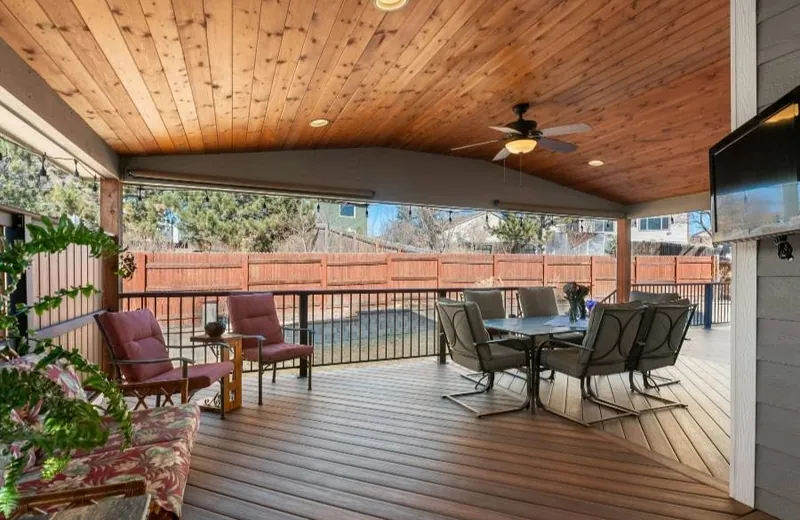
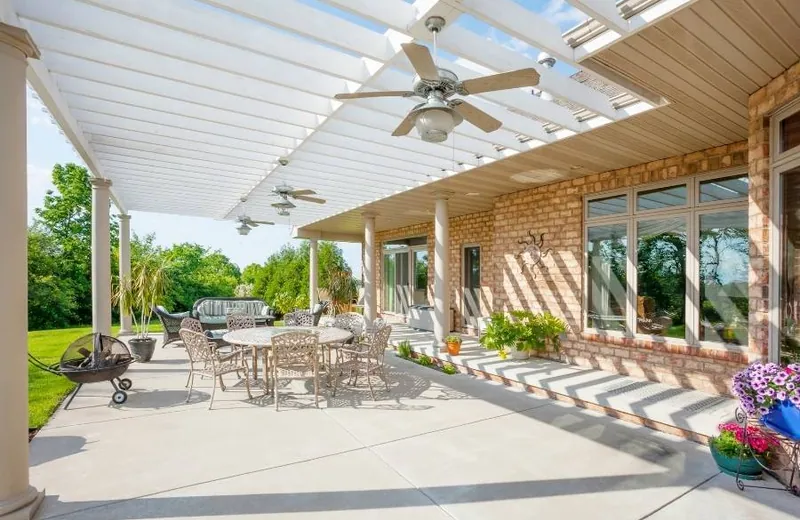
We build cedar, timber, or aluminum pergolas and roofed covers.

We bolt pergolas to the framing or set them on dedicated footings, and offer louvered or solid roof options.

Shade is a must in Austin summers. We'll also review how a roof affects your impervious cover limit.

Best for: Any deck in full sun.

Explore

Deck Skirting Installation

We close in the space under a deck with vented skirting.

We use lattice, slats, or composite panels with ventilation and access doors.

Ventilated skirting keeps animals and leaf piles out while letting moisture escape.

Best for: Low and mid-height decks.

Explore

Deck Cleaning & Washing

We remove dirt, pollen, and mildew from your deck.

We use low-pressure washing and wood-safe cleaners and brighteners.

Oak pollen and leaf debris make a yearly cleaning worth it.

Best for: Routine maintenance.

Explore

Deck Staining & Sealing

We apply protective stain and sealer to wood decks.

We prep the surface, then apply penetrating UV-resistant products.

Austin UV calls for resealing every 1–3 years.

Best for: All wood decks.

Explore

Deck Painting Services

We paint railings, skirting, and trim.

We use exterior-grade primers and solid-color coatings.

Paint is a good way to match bungalow trim in historic districts.

Best for: Railings and vertical surfaces.

Explore

Deck Resurfacing & Refinishing

We replace deck boards while keeping sound framing.

We inspect the framing, add joist tape, and install new wood or composite boards.

Resurfacing is a common upgrade for 1990s decks in Wells Branch and Great Hills.

Best for: Decks with good framing and worn surfaces.

Explore

Deck Waterproofing Services

We protect decks and the spaces beneath them from water.

We install under-deck drainage systems, membranes, and flashing.

Waterproofing lets the space under a second-story deck stay dry in flash-flood downpours.

Best for: Elevated decks with usable space below.

Explore

Covered Patio & Deck Enclosures

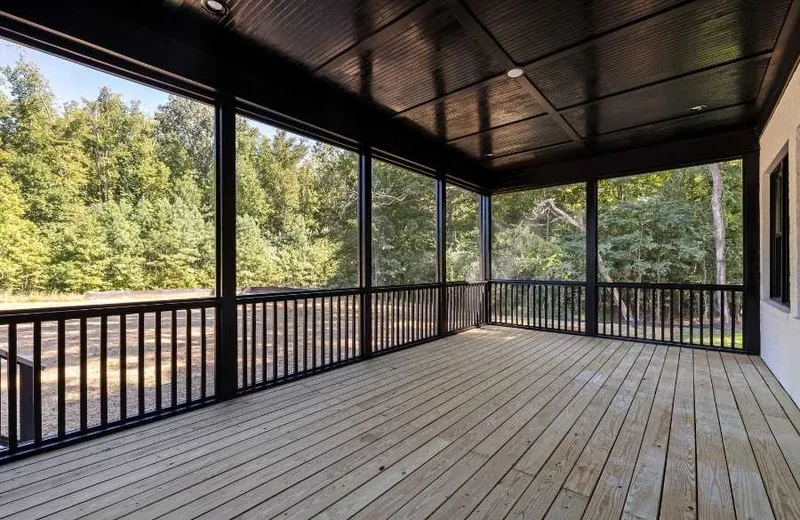
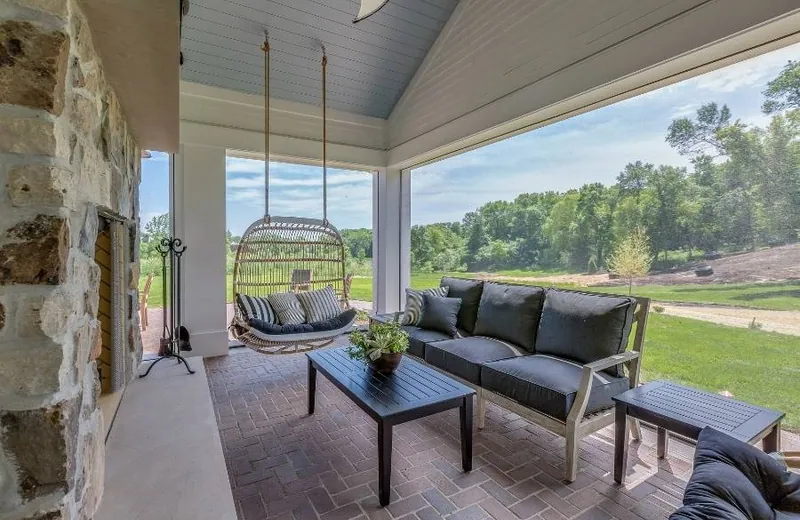
We build roofed and screened outdoor rooms.

We design for proper roof tie-ins, add screen systems, and include fan and lighting prep.

Screened rooms let you use the space through mosquito season and the heat.

Best for: Year-round outdoor living.

Explore

Ground Level Deck Installation

We build low decks just above grade.

We use ventilated framing, ground-contact lumber, and drainage planning.

Ground-level decks are perfect for replacing cracked 1950s slab patios in Allandale and Windsor Park.

Best for: Flat yards and patio upgrades.

Explore

Deck Privacy Solutions

We add privacy screens, slat walls, and planter barriers.

We build horizontal slats, composite panels, or living-screen frames.

Privacy features are essential on dense infill lots next to two-story neighbors.

Best for: Close neighbors and urban lots.

Explore

Balcony Deck Renovation

We rebuild balcony surfaces, guards, and supports.

We complete a structural check, then flashing and new decking and railings.

These projects are common on 1980s hillside and townhome balconies.

Best for: Aging balconies.

Explore

Cantilever Deck Construction

We build decks that extend beyond their supports.

We use engineered joist and beam overhangs within allowable limits.

Cantilevering can keep footings out of a heritage tree's critical root zone.

Best for: Tree-protected and steep lots.

Explore

Composite Fence Installation

We install rot-proof composite fencing.

We set posts in concrete or steel and install the panel systems.

Composite fencing holds up to clay movement and humidity better than pine pickets.

Best for: Low-maintenance privacy fencing.

Explore

Outdoor Stair Railing Installation

We add or replace railings on exterior stairs.

We install graspable handrails at code height, securely anchored.

These are needed on sloped west-side lots and raised east-side porches.

Best for: Any exterior stair.

Explore

Deck Framing & Structural Repair

We repair joists, beams, posts, footings, and ledgers.

We shore up the deck, replace or sister members, and install new hardware and footings.

We fix clay-heaved footings in the east and rock-anchored posts in the west.

Best for: Sagging, bouncy, or tilting decks.

Explore
Know The Signs

Common Deck Problems We See Across Austin

Most deck failures here come from the same few causes: soil movement, heat and UV, trapped moisture, and old shortcuts at the ledger and railings. Here's what to look for and why each problem is so common in Central Texas. Some are cosmetic. Others mean you should stay off the deck until it's checked.

Ledger Board Separation and Missing Flashing Emergency

The ledger is the board that attaches the deck to your house. If it was nailed instead of bolted, or installed without flashing, water rots the ledger and the house rim joist behind it. Eventually the deck can pull away from the house, and that's the most common cause of deck collapse.

Why it's common here

A lot of decks from the 1980s and 1990s in Jollyville, Wells Branch, Great Hills, and Shady Hollow went up before modern ledger rules. Austin's heavy downpours run straight down siding into unflashed joints, and the long dry spells that follow pull the wood apart, so the gap opens a little more each cycle. On pier-and-beam bungalows the problem can be worse because the house framing behind the ledger may already be rotted.

Signs you'll notice
  • A visible gap between the deck and the house wall
  • Dark staining or soft wood behind or below the ledger
  • Nails instead of lag screws or through-bolts at the attachment
  • No metal or membrane flashing above the ledger
  • Bouncing or a slight tilt away from the house
  • Rust streaks running down from the fasteners
Local patterns

We find this most on two-story 1980s tract homes in Jollyville and Wells Branch, on hillside decks in West Lake Hills and Rollingwood, and on DIY decks attached to East Austin bungalows with old shiplap siding.

Our fix: We shore up the deck, remove the failed ledger, repair the rim joist, add proper flashing, and reattach the deck with code-compliant through-bolts or structural screws.

Footing Heave and Settling in Expansive Clay Serious

Blackland Prairie clay swells when it's wet and shrinks when it's dry. Shallow footings rise and drop as the soil moves, so posts tilt, beams twist, and the deck either pulls away from the house or pushes against it.

Why it's common here

Manor, Pflugerville, Del Valle, Webberville, and much of East Austin sit on some of the most expansive clay in Texas. A drought like 2023 opens cracks wide enough to fit your hand, and then a spring storm swells the soil again within days. Builders who pour 12-inch footings the way they would in other regions end up with decks that are out of level in two or three years.

Signs you'll notice
  • Sloping deck surface you can see with a level or a marble
  • Posts leaning off vertical
  • Doors that start rubbing at the deck threshold
  • Gaps opening at the stair stringers
  • Cracked concrete around post bases
  • Joist hangers pulling loose
Local patterns

This is common in new subdivisions in Manor and Pflugerville where yards were graded flat with fill, and on older East Austin lots near Boggy Creek. It's usually worst after a dry summer followed by a wet fall.

Our fix: We re-support the deck on deeper piers sized for clay, add adjustable post bases where it makes sense, and re-level the framing so you don't have to tear down the whole deck.

Heat Warping, Checking, and Cupping Moderate

Wood boards that bake in direct sun dry out unevenly. Their surface cracks (checking), the edges curl up (cupping), and long boards twist. Cheaper composites can sag between joists or chalk.

Why it's common here

Austin's 100°F stretches, summer UV index of 10–11+, and deck surfaces well above air temperature all strip moisture from pressure-treated pine. When a downpour hits, the dry wood swells fast, then shrinks again, and those cycles pop fasteners loose. Joists spaced at 24 inches, which is common on older builds, make it worse.

Signs you'll notice
  • Board edges curling up and holding water
  • Long splits along the grain
  • Screw and nail heads backing out
  • Splinters underfoot
  • Gray, fuzzy surface fibers
  • Composite boards sagging between joists
Local patterns

Look at south- and west-facing decks without shade, especially in new-build yards in Del Valle, Buda, and Mustang Ridge that have no trees, and at 1990s pine decks in Shady Hollow that haven't been sealed in years.

Our fix: Depending on condition, we replace the bad boards with hidden-fastener composite or properly gapped wood, tighten the joist spacing, and seal everything with a UV-resistant finish.

Rot and Termite Damage at Posts and Low Framing Serious

Moisture trapped at post bases, beam joints, and under low decks rots the framing from the inside. Subterranean termites go after the same damp wood, so the boards on top can look fine while the structure underneath is failing.

Why it's common here

Heavy oak canopies in Travis Heights, Bouldin Creek, and Allandale drop leaves and acorns that pile up under decks and hold water. Low decks over clay that drain poorly stay damp for weeks after a flash-flood storm. Termites are active all over Central Texas, and older decks often have untreated posts set directly in concrete or soil.

Signs you'll notice
  • Soft or spongy wood when you probe it with a screwdriver
  • Mud tubes on posts or the foundation
  • Mushrooms or mildew under the deck
  • Posts that sound hollow when you tap them
  • Sagging at the middle of a span
  • Debris piled up against the framing
Local patterns

Ground-level decks over old slab patios in Crestview and Windsor Park, and porches on East Austin pier-and-beam cottages, are the usual trouble spots. Lots with live oaks and little airflow are hit hardest.

Our fix: We replace the rotted members with ground-contact treated lumber, raise posts onto standoff bases, and add ventilation, drainage, and termite-resistant details.

Loose, Low, or Non-Compliant Railings and Stairs Serious

Railings that wobble, guards shorter than 36 inches, balusters spaced more than 4 inches apart, and stairs with uneven risers are all fall hazards. They also tend to get flagged at home inspections.

Why it's common here

Wet-dry cycling loosens the bolts holding railing posts, and many original decks used notched 4x4 posts that split as the wood dried in Austin heat. Since the market is so busy, buyers' inspectors in Avery Ranch, Great Hills, and Circle C flag these railings all the time. On hillside lots in West Lake Hills, a weak guard is a serious safety problem.

Signs you'll notice
  • Railing moves when you push on it
  • Guard height under 36 inches
  • Gaps between balusters wider than 4 inches
  • Risers that differ in height
  • Loose or missing handrail on the stairs
  • Split posts at the bolt holes
Local patterns

These show up most on elevated decks on sloped lots in Rollingwood and West Lake Hills, and on 1990s builder-grade decks in north and southwest Austin subdivisions that are getting ready to sell.

Our fix: We put in new blocked or bolted railing posts and code-height guards in wood, composite, aluminum, or cable, and rebuild the stairs with consistent risers and graspable handrails.

Storm, Hail, and Fallen-Limb Damage Emergency

Ice storms bring down heavy live oak and cedar elm limbs, which crack joists, crush pergolas, and snap railings. Spring hail dents composite caps, splinters soft wood, and damages pergola roofs.

Why it's common here

Winter Storm Uri in 2021 and the February 2023 ice storm left decks across Austin under fallen limbs, especially in neighborhoods with mature trees. Big hail comes through Central Texas almost every spring. A lot of damage stays hidden, like a cracked joist under boards that look fine or a pergola footing that got wrenched loose.

Signs you'll notice
  • Cracked or broken boards where a limb hit
  • Pergola beams twisted or sagging
  • Dented or pitted composite surface
  • Railing sections knocked out of line
  • New bounce in a spot that used to feel solid
  • Loose post anchors after the impact
Local patterns

This is worst under old canopy in Hyde Park, Travis Heights, Tarrytown, and Zilker, and in wooded west-side neighborhoods. Open new-build yards in Pflugerville tend to see more hail than limb damage.

Our fix: We inspect the framing underneath, document the damage for your insurance claim, shore up anything unsafe, and repair or rebuild the affected sections and covers.

Faded Finish, Gray Wood, and Mildew Minor

Stain and sealer break down, so the wood weathers to silver-gray and green or black mildew grows in shaded spots. It's mostly cosmetic at first, but bare wood takes on water and wears out faster.

Why it's common here

With Austin's UV, most film stains are failing within 12–24 months on south-facing decks. Humidity and oak pollen feed mildew on the shaded parts. Many homeowners who are new to Texas don't realize how often a deck here needs to be resealed.

Signs you'll notice
  • Silver-gray boards
  • Stain peeling or flaking in patches
  • Water soaks in instead of beading
  • Green or black film in shady corners
  • Slippery surface after rain
  • Blotchy, uneven color
Local patterns

We see this all over the area, but it's most noticeable on cedar decks in Barton Hills, on north-side decks under trees in Allandale, and on new pine decks in Buda that were never sealed after they dried.

Our fix: We clean and brighten the wood, sand where it's needed, and apply a penetrating, UV-resistant stain or sealer suited to the species and how much sun the deck gets.

Transparent Pricing

How Much Does a Deck Cost in Austin?

Most Austin deck projects range from a few thousand dollars for a repair to six figures for a tall hillside build. Material, size, height, footing conditions, and add-ons like railings and pergolas drive most of the price. Here's how it breaks down.

Typical Project

First deck for a new build in Pflugerville or Manor

About 12x16 ft (192 sq ft) ground-level pressure-treated deck off the slab patio, one step, no railing required

$7,500 – $11,500
Typical Project

East Austin bungalow composite deck with pergola

About 16x20 ft composite deck matched to a raised pier-and-beam door, stairs, composite railing, cedar pergola, clay-rated piers

$26,000 – $40,000
Typical Project

Restoring a 1990s deck in Wells Branch or Shady Hollow

Replace failed ledger with flashing, sister joists, new railings, and either resurface or clean and seal

$3,500 – $12,000
Typical Project

Elevated hillside view deck in West Lake Hills

About 400 sq ft ipe or premium composite, 10–14 ft high, rock-drilled footings, cable railing, engineered bracing

$65,000 – $115,000
Decking Material Primary Factor

Material is the biggest price variable. Installed pressure-treated pine decks in Austin typically run about $30–$50 per square foot. Composite and PVC usually land around $50–$85, and ipe or other tropical hardwoods can top $90–$120. Composite costs more upfront but skips the regular sealing that pine needs every one to three years under Austin UV, so the gap narrows over the life of the deck.

Size, Height, and Shape Primary Factor

Bigger decks cost more in total, but simple rectangles cost less per square foot than multi-level or curved designs. Height matters a lot. A ground-level deck in a Crestview backyard needs little bracing and maybe no guard, while a deck 12 feet up on a West Lake Hills slope needs taller posts, lateral bracing, engineered connections, and much more labor to get materials onto the site.

Soil and Footings Secondary Factor

Footings are where Austin's two soil types show up on your invoice. Deeper piers in east-side clay add concrete and labor, and drilling limestone on west-side lots requires specialty equipment. Lots with heritage trees may need hand-digging or a cantilevered design to protect root zones. These costs are easy to underestimate, which is why we figure them in at the site visit instead of adding them later.

Railings and Stairs Secondary Factor

Railing is priced by the linear foot and varies widely. Pressure-treated wood railing is the cheapest, and composite and aluminum fall in the middle. Stainless cable railing, which is popular for keeping views open in Westlake and Bee Cave, often runs $100–$250+ per linear foot installed. Every set of stairs adds stringers, treads, handrails, and sometimes a landing.

Shade, Permits, and Extras Additional Factor

A cedar or aluminum pergola typically adds $5,000–$15,000, and a fully roofed cover or screened room costs more. Lighting, built-in benches, privacy screens, and skirting add up too. Permit fees, engineering for elevated decks, and HOA submittal prep depend on your jurisdiction, and they're spelled out in your estimate.

Financing is available for qualified homeowners, so you can spread payments out on a larger deck, pergola, or outdoor room. Ask about options when you get your estimate. In Austin, a shaded, usable deck adds real living space for nine months a year. Choosing the right material for the sun up front, and building footings for your soil, does more to protect that investment than any other decision you'll make.

Local Expertise

Why Austin Decks Need a Builder Who Knows Central Texas

A deck that would last 25 years in a mild climate can start failing in Austin in under ten. Heat, UV, flash-flood downpours, two very different soils, and a stack of permitting authorities all affect how a deck has to be designed, built, and finished here.

Heat, Sun, Storms, and Two Soil Types

July and August highs average in the mid-to-upper 90s, and 2011 and 2023 each brought dozens of triple-digit days. The summer UV index regularly hits 10–11+, so unsealed wood goes gray fast and cheap composite caps can chalk. Dark composite in full sun can burn bare feet, which is why we usually steer clients toward lighter colors or shade. Austin gets 34–36 inches of rain a year, mostly in long droughts broken by heavy storms along Flash Flood Alley. That wet-dry cycling loosens fasteners and opens joints. Under the ground it's two different worlds. East of I-35, Blackland clay shrinks and swells enough to heave piers, so footings have to go deeper. West of MoPac, thin soil over limestone means we often have to drill rock. Add spring hail and ice storms like Uri in 2021 and the February 2023 storm, and you need framing and footings that can take a hit.

Austin's Housing Eras Shape Every Deck

East Austin, Hyde Park, and Travis Heights have plenty of 1910s–1940s pier-and-beam bungalows. Their raised floors mean a back deck has to meet the door height and tie into old framing, and that framing sometimes has rotted sills. The 1950s–60s ranch houses in Crestview, Allandale, and Windsor Park usually have a small cracked slab patio that owners want to replace with a low deck. Many 1980s–90s pressure-treated decks in Wells Branch, Jollyville, and Shady Hollow are worn out, and a lot of their ledgers were attached without flashing. Mueller and the newer east-side infill homes have narrow side and rear yards. Out in Pflugerville, Manor, and Del Valle near Giga Texas, new tract homes usually come with a bare yard and a 10x12 covered slab, so most of the work there is first decks and deck-plus-pergola combos.

Permits, Trees, and Overlapping Jurisdictions

The City of Austin's Development Services Department generally requires a permit for a deck that's attached to the house, more than 30 inches above grade, over 200 square feet, or serving a required exit. Plan review checks footings, ledger attachment, 36-inch guards, and stair geometry. Impervious cover limits can treat gapped, uncovered decks differently from roofed structures, so whether you add a pergola roof matters. The Heritage Tree Ordinance protects trees 19 inches and larger in diameter, which can call for hand-digging or a cantilevered design. Southwest areas fall under the SOS Ordinance, and some west Austin lots fall under the 2020 wildfire code. Rollingwood, West Lake Hills, Sunset Valley, Pflugerville, Manor, and Buda each run their own permitting. Del Valle, Manchaca, and Wells Branch fall under Travis County or MUD rules. HOAs in Circle C, Avery Ranch, and Steiner Ranch add one more round of review.

Who's Building Decks in Austin Right Now

The Austin metro has roughly 2.4–2.5 million people, and a lot of them recently moved here for jobs at Tesla, Apple, Dell, Samsung, or UT. Many are new to Texas heat and new to owning a home. Young families in Pflugerville, Buda, and Manor usually want an affordable pressure-treated or entry-level composite deck that their HOA will approve. Central-city owners in Hyde Park and Travis Heights want a deck that suits a 90-year-old house. Owners in Westlake and Tarrytown are more likely to choose ipe, cable railing, and view decks. Remote work has made shaded backyard space more valuable across all of these groups, and most clients compare materials and portfolios online before they call.

East Austin Deck Builders Deck Builder in Austin, TX project in Austin, TX (1)
Austin, TX
East Austin Deck Builders Deck Builder in Austin, TX project in Austin, TX (2)
6+ Years
Talk to a Local Expert
The East Austin Deck Builders Difference

Why Austin Homeowners Choose East Austin Deck Builders

We're Based on the East Side, and We Design for East Side Lots

Narrow lots, raised bungalow floors, modern infill with tiny rear yards, and new builds with a bare slab are what we work with every week. That's why we focus on compact layouts: angled steps, built-in seating, a landing that doubles as a grill station, and privacy slats that block the neighbor's second-story window. A small yard can still give you real outdoor living space if every inch is planned, and that planning starts with the measured layout we do for every client.

Footings Built for Your Soil, Not a Generic Spec

Austin has two very different soils, and a footing that works in Rollingwood limestone can fail in Manor clay. We look at the site before we decide on pier depth, diameter, and post hardware. On Blackland clay that usually means deeper piers and details that tolerate some movement. On west-side rock we may drill or core. Getting the footings right is what keeps a deck level ten years from now, and it's the step that short-lived contractors most often skip.

Materials and Finishes Chosen for Texas Heat

The USP here isn't marketing language. We actually choose fasteners, boards, and finishes to resist warping and fading under Austin's sun. That means stainless or coated fasteners, correct expansion gaps on composite, tighter joist spacing on pine, joist tape, and penetrating UV-resistant stains. We'll also be straight with you about surface temperature. If a dark charcoal composite is going to sit in full afternoon sun, we'll tell you how hot it gets and suggest lighter colors or shade.

Bonded and Insured

Austin's construction boom has brought in plenty of contractors who are gone within a season. East Austin Deck Builders has been building decks here since 2020, and we're bonded and insured. That protects you if something goes wrong on your property during the job, and it means you're hiring a business that plans to be here for the long haul. Ask us for proof of coverage, and we'll gladly provide it before any work starts.

Permit Guidance Built Into Every Project

Your deck might fall under the City of Austin, West Lake Hills, Sunset Valley, Travis County, a MUD, or an HOA, sometimes more than one. Every project includes permit guidance. We tell you whether your design triggers a permit, prepare drawings for submittal, flag heritage trees and impervious cover issues, and help with HOA architectural packages. You won't be left guessing which office to call.

Transparent Estimates With Real Samples

You'll get an itemized estimate based on a measured layout, not a ballpark number from a quick look. We bring physical samples of decking and railing so you can compare color, texture, and heat in your own yard. If repair makes more sense than replacement, we'll tell you. Plenty of 1990s decks have solid framing that just needs new boards and a proper ledger connection.

Repair, Refinish, and Financing Options

Not every project is a new build. We repair storm and limb damage, replace failed ledgers, rebuild railings, and refinish gray, splintered wood so it looks and wears like new again. For larger projects, financing is available, so you can spread out the cost of a composite deck, pergola, or full outdoor room instead of settling for less deck than you actually want.

Simple & Transparent

How We Build Your Deck, Step by Step

Our process is the same five steps on every project, so you'll always know what's happening, what it costs, and who's handling permits.

Site Visit and Measured Layout

Usually scheduled within the week; about 60–90 minutes on-site
  • We measure the yard, door heights, slopes, and setbacks
  • We note sun exposure, trees, and drainage
  • We check soil conditions to choose the footing approach
  • We talk through how you'll use the space and your budget

Local note: We'll flag any large trees that might fall under the Heritage Tree Ordinance and confirm whether you're in the City of Austin, a small city, or the county.

Design, Samples, and Written Estimate

About 1–2 weeks
  • You'll get a scaled layout drawing
  • We bring composite, wood, and railing samples so you can feel them in your own sun
  • You'll get an itemized estimate with options
  • We'll go over financing if you're interested

Local note: Lighter board colors and shade options are part of every Austin design conversation.

Permits and HOA Approval

Varies widely; a few days to several weeks depending on the jurisdiction
  • We confirm whether your project needs a permit
  • We prepare drawings for permit or HOA submittal
  • We guide you through the application process
  • We schedule the build around approval dates

Local note: City of Austin review times can stretch out, and West Lake Hills, Rollingwood, and HOAs in Circle C or Avery Ranch each run their own reviews.

Construction

Typically 3–10 working days for most residential decks; longer for elevated or multi-level builds
  • We lay out and dig or drill the footings
  • We build the framing, ledger, and flashing
  • We install the decking, railings, and stairs
  • We build any pergola or cover and clean up every day

Local note: In summer we start crews early to beat the heat, and after heavy rain we wait for clay to dry before pouring footings.

Final Walkthrough and Care Plan

Last day on-site
  • We walk the deck with you and check every detail
  • We coordinate the final inspection where required
  • You'll get care instructions for your specific material
  • We'll suggest a resealing or cleaning schedule

Local note: Wood decks in full Austin sun usually need their first seal coat within the first season.

Trusted Locally

Building Austin Decks Since 2020

Building Decks Since
2020
Austin, TX

Our clients include Austin homeowners from East Austin bungalows to Pflugerville new builds and Rollingwood hillsides. Ask us for examples of recent projects similar to yours, and see how we plan for heat, soil, and permits.

20-Mile
Service Radius
18
Communities Served
35
Deck & Outdoor Living Services
BondedInsured
Where We Work

Deck Building Service Areas Around Austin

We're based on Austin's east side and work within about 20 miles of it. That covers central Austin neighborhoods like Hyde Park, Travis Heights, Mueller, and Crestview, plus the suburbs and small cities around them. Each area has its own soil, permitting authority, and housing stock, and we plan every deck around those differences.

East Austin and Eastern Travis County

Austin, TXDel ValleManorWebbervilleGarfieldCreedmoor

South and Southwest Austin

Sunset ValleyShady HollowManchacaBudaMustang Ridge

West Hills and Lake Area

RollingwoodWest Lake HillsBee CaveHudson Bend

North Austin Suburbs

PflugervilleWells BranchJollyville

We serve a roughly 20-mile radius from East Austin. If you're near the edge, like Hudson Bend or Bee Cave, give us a call to confirm scheduling. Not sure if we cover your area? Call (512) 982-9105.

Find Us

Serving Austin, TX & Nearby

810 Bastrop Hwy, Austin, TX, 78741 · Mon-Fri: 7:00 AM - 9:00 PM · Sat-Sun: 7:00 AM - 6:00 PM

Austin, TXDel ValleManorWebbervilleGarfieldCreedmoorSunset ValleyShady HollowManchacaBudaMustang RidgeRollingwoodWest Lake HillsBee Cave
Questions & Answers

Austin Deck Building FAQs

How much does it cost to build a deck in Austin?

Most new decks in Austin cost roughly $30–$50 per square foot installed in pressure-treated pine and $50–$85 per square foot in composite or PVC. Hardwoods like ipe can run higher. A simple 192-square-foot ground-level pine deck in a new subdivision might cost $7,500–$11,500. A composite deck with stairs, railing, and a pergola often lands between $26,000 and $40,000. Height, soil, and railings move the number the most. Tall decks on west-side slopes and deep piers in east-side clay both add cost. We give you an itemized estimate after measuring your site, and financing is available.

Do I need a permit for a deck in Austin?

Usually, yes. In the City of Austin, a permit is typically required if the deck is attached to the house, more than 30 inches above grade, over 200 square feet, or serves a required exit. Small freestanding ground-level decks sometimes don't need one, but impervious cover, heritage trees, and historic district rules can still apply. If you live in West Lake Hills, Rollingwood, Sunset Valley, Bee Cave, Pflugerville, Manor, or Buda, your city runs its own permitting. County areas follow Travis County or MUD rules. Every project includes permit guidance, so we'll tell you exactly what applies to your property.

How long does it take to build a deck?

Construction for most residential decks takes about 3–10 working days once materials and approvals are in place. Elevated, multi-level, or rooftop decks take longer. Permits and HOA approvals are often the longer wait. City of Austin review times vary, and some HOAs only meet monthly. From the first site visit to a finished deck, a typical project takes several weeks to a couple of months. Weather matters too. We avoid pouring footings in saturated clay after a big storm, and in summer we start early so crews aren't working through the worst afternoon heat.

Is composite or wood better for Austin's heat?

Each has trade-offs. Composite won't crack, splinter, or need sealing, and it resists termites, but dark colors can get very hot in direct summer sun. Pressure-treated pine stays cooler to the touch and costs less, but under Austin's UV it grays, checks, and cups quickly unless you reseal every one to three years. Ipe stays fairly cool, lasts a very long time, and is ignition-resistant, but it's a premium option. Many clients end up with light-colored composite plus a pergola or shade cover. We'll put samples in your actual sun so you can compare.

How do I know if my deck needs repair or replacement?

Act right away if the deck pulls away from the house, bounces in a new spot, has posts that lean, or has railings that move when you push them. Those are structural problems, not cosmetic ones. Probe the posts and the ledger area with a screwdriver. If the wood is soft, there's rot. Gray boards and peeling stain can usually be fixed with refinishing. Many 1980s–90s decks in Jollyville, Wells Branch, and Shady Hollow have sound framing and only need new boards, railings, and a properly flashed ledger. We'll inspect yours and give you an honest recommendation on whether to repair or replace.

How do I keep my deck from warping and fading in Texas sun?

Prevention starts with how the deck is built. That means proper board gaps, tighter joist spacing on wood, quality coated or stainless fasteners, and joist tape on the framing. After that, maintenance does most of the work. Clean the deck every year to clear oak pollen and leaves. Reseal wood every one to three years with a penetrating UV-resistant product, more often on south- and west-facing decks. Keep debris from piling up underneath, and make sure water drains away from posts. Adding a pergola or shade cover also cuts heat and UV exposure a lot.

Can you build a deck around a protected tree or in an HOA neighborhood?

Yes, but it takes planning. Austin's Heritage Tree Ordinance protects trees 19 inches and larger in diameter, and digging footings inside the critical root zone may need review. In those cases we often hand-dig footings, move them, or cantilever part of the deck to protect the roots. HOAs in Circle C, Steiner Ranch, Avery Ranch, Pflugerville, and Buda usually require approval of materials, colors, and pergola designs before work starts. We prepare the drawings and material details for your architectural committee submittal so it goes smoothly.

Do you repair storm and limb damage from ice storms and hail?

We do. Fallen live oak and cedar elm limbs from storms like Uri in 2021 and the February 2023 ice storm can crack joists and crush pergolas even when the deck boards look fine. Spring hail can dent composite and damage pergola roofs. We inspect the framing underneath, document the damage with photos for your insurance claim, make the deck safe, and then repair or rebuild the damaged sections. If a limb has landed on your deck, stay off it until it's been checked.

Start Planning Your Austin Deck Today

Whether it's a first deck in a bare new-build yard, a shaded spot behind your bungalow, or a tired 1990s deck that needs help, we'll measure your space and give you a clear plan with honest pricing.

  • A measured layout designed for your lot and soil
  • Material samples you can test in your own sun
  • An itemized, transparent estimate
  • Permit and HOA guidance from start to finish
  • Heat-resistant fasteners, boards, and finishes
  • A bonded and insured crew building in Austin since 2020
  • Financing available for larger projects

We serve Austin and communities within about 20 miles, including Del Valle, Manor, Pflugerville, Rollingwood, Sunset Valley, Shady Hollow, Buda, and West Lake Hills.

If a fallen limb, separated ledger, or failing railing has made your deck unsafe, stay off it and call us for a repair assessment.

Bonded • Insured

Call (512) 982-9105 Free Estimate